
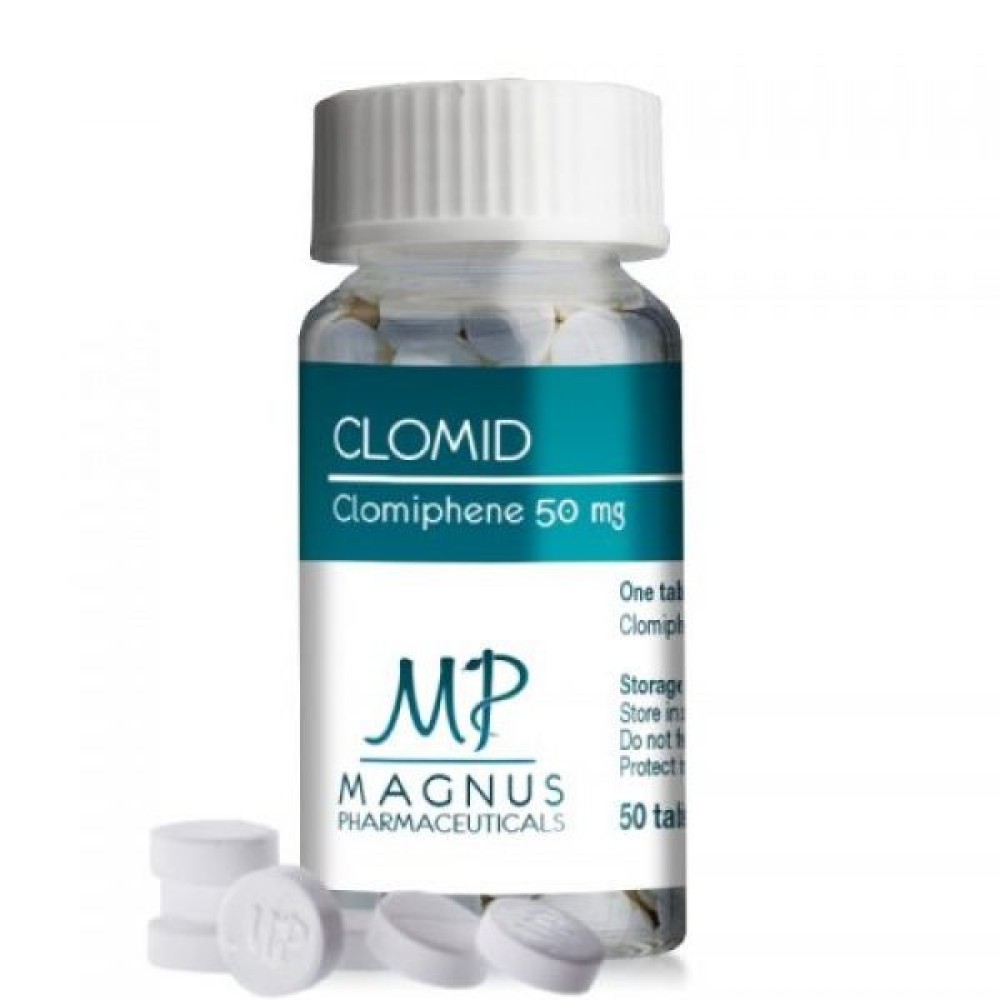
CLOMID Pharmaceutical: Understanding Its Definition and Key Features
CLOMID Pharmaceutical is a well-recognized medication primarily used to treat infertility in women, particularly those suffering from anovulation. This drug works by stimulating the ovaries to produce eggs, enhancing the chances of conception. The main working principle of CLOMID lies in its ability to block estrogen receptors in the hypothalamus, resulting in increased secretion of gonadotropin-releasing hormone (GnRH). This, in turn, boosts the production of luteinizing hormone (LH) and follicle-stimulating hormone (FSH), both crucial for ovarian follicle development.
Key features of CLOMID include its oral administration, typically taken in pill form during the early part of a woman's menstrual cycle. The medication is generally well tolerated and has been used for decades, showcasing a solid safety profile when utilized appropriately. Patients can expect it to be effective for various forms of infertility, offering hope for many women trying to conceive.
Forms of Release for CLOMID Pharmaceutical
CLOMID is primarily available in tablet form, with the standard dosage typically being 50 mg, which can be adjusted according to the individual's response to treatment. It is often prescribed for a cycle of five days, starting on the third, fourth, or fifth day of the menstrual cycle. Depending on medical advice, patients might increase their dose in subsequent cycles if ovulation does not occur. This flexibility makes CLOMID a versatile option for patients and healthcare providers alike, allowing for tailored treatment plans.
Furthermore, CLOMID's oral form contributes to its popularity, as it eliminates the need for more invasive treatments such as injections or surgeries. The simplicity of taking a daily pill makes it a user-friendly option for many women navigating the complexities of fertility treatments.
CLOMID Pharmaceutical in Comparison to Other Medications
CLOMID stands out from other fertility medications due to its unique mechanism of action. Unlike injectable hormones that directly supply synthetic FSH and LH, CLOMID works by naturally stimulating the body’s own hormone production. This can lead to a more physiologic response, making it a first-line treatment in many infertility cases.
Additionally, some patients prefer CLOMID over other alternatives like Gonadotropin injections or in vitro fertilization (IVF) procedures due to its non-invasive nature and lower cost. While other medications may carry a risk of multiple pregnancies, CLOMID has a balanced profile, allowing for effective treatment with a manageable risk of side effects. As such, many women find CLOMID to be a preferable choice when addressing their fertility needs.
Long-term Effects and Contraindications for CLOMID Pharmaceutical Use
The long-term prospects of using CLOMID can vary significantly among individuals. Many women have successfully conceived after several cycles of treatment, with some experiencing positive outcomes after their first attempt. However, it is important to note that CLOMID is not suitable for everyone. Contraindications include women who are pregnant or breastfeeding, as the drug may adversely affect the fetus or nursing infant.
Additionally, those with certain conditions such as ovarian cysts, liver disease, and abnormal uterine bleeding should avoid CLOMID. Women with a history of hormone-sensitive cancers, such as breast or uterine cancer, must also exercise caution and consult a healthcare provider before initiating treatment. Understanding these contraindications is crucial for safe and effective use of CLOMID Pharmaceutical.
Practical Advice for Starting with CLOMID Pharmaceutical
If you are considering CLOMID Pharmaceutical as a potential solution for infertility, the first step is to consult with a healthcare provider. They will conduct a thorough evaluation to determine whether CLOMID is a suitable option based on your medical history, hormone levels, and overall health. It is essential to follow the prescribed dosage and treatment schedule to maximize effectiveness.
Keep track of your menstrual cycle and any side effects during treatment, as this information can aid your healthcare provider in adjusting your regimen if necessary. Furthermore, maintaining a healthy lifestyle by managing stress, eating a balanced diet, and engaging in regular physical activity can enhance your chances of conceiving. By paying attention to your body’s responses and working closely with your medical team, you can navigate the journey towards conception with confidence while utilizing CLOMID Pharmaceutical as part of your fertility plan.
| Features | |
| Also known as | Clomifene |
| Blood pressure | No significant impact |
| Chemical name | Clomiphene citrate |
| Dosage (medical) | 50 mg daily for 5 days, starting on the fifth day of the menstrual cycle |
| Dosage (sports) | 50-100 mg daily for 4-6 weeks |
| Effects | Induces ovulation, increases serum testosterone levels |
| Formula | C32H36ClNO8 |
| Half-life | 5-7 days |
| Hepatotoxicity | Low |
| Lab Test | Monitoring of liver function and hormone levels |
| Main action | Stimulation of gonadotropins production |
| Side effects | Hot flashes, abdominal discomfort, visual disturbances, nausea, and potential risk of ovarian cancer |
| Storage conditions | Store at room temperature away from moisture and heat |
| Substance class | Selective Estrogen Receptor Modulator (SERM) |
| Trade name | Clomid, Serophene |
| Use in sports | Used to restore natural testosterone production post anabolic steroid use |
| Water Retention | No |
| Manufacturer | Pharmaceutical |
-
42.00€
| Brand: | Pharmaceutical Company |
|---|---|
| Product Code: | EU20026 |
| Availability: | In stock |