Hypolipidemic Drugs: Understanding Their Role in Cholesterol Management
Hypolipidemic drugs play a crucial role in managing cholesterol levels, particularly in individuals diagnosed with dyslipidemia, a condition characterized by abnormal lipid levels in the blood. These drugs are primarily used to lower low-density lipoprotein (LDL) cholesterol levels, often referred to as "bad" cholesterol, while potentially increasing high-density lipoprotein (HDL) cholesterol, or "good" cholesterol. The primary purpose of hypolipidemic drugs is to reduce the risk of cardiovascular diseases, including heart attacks and strokes, by managing lipid profiles effectively.
The main classes of hypolipidemic drugs include statins, fibrates, bile acid sequestrants, niacin, and more recently, PCSK9 inhibitors. Each of these medications works through different mechanisms to achieve lipid-lowering effects, making the category versatile in its applications. Patients often receive individualized treatment plans to optimize their lipid profiles and align with specific health goals.
Who Uses Hypolipidemic Drugs and In What Contexts?
The typical users of hypolipidemic drugs include adults with high cholesterol levels, individuals with a family history of heart disease, and those diagnosed with conditions such as diabetes or hypertension. Health care providers commonly prescribe these medications as part of a comprehensive approach to cardiovascular health, which may also include lifestyle changes such as diet and exercise.
Hypolipidemic drugs are particularly utilized in outpatient settings, where routine monitoring of cholesterol levels is necessary. Patients may be initiated on these medications following abnormal lipid panel results during routine check-ups or after experiencing cardiovascular events. Additionally, people undergoing surgery or patients with specific comorbid conditions may also receive these drugs to mitigate potential risks associated with elevated cholesterol levels.
Strengths and Distinguishing Characteristics of Hypolipidemic Drugs
One of the key strengths of hypolipidemic drugs is their ability to significantly reduce LDL cholesterol levels, hence minimizing the risk factors associated with cardiovascular diseases. Unlike other categories of medications, such as antihypertensives or antidiabetics, hypolipidemic agents focus specifically on lipid management and its implications for heart health. They are often well-studied, with a diverse range of options available to accommodate patients’ unique health needs, preferences, and existing medical conditions.
Another distinguishing characteristic is the various mechanisms by which these drugs operate. For instance, statins work by inhibiting an enzyme involved in cholesterol production, while fibrates primarily target triglyceride levels. This diversity allows healthcare providers to tailor treatment approaches effectively. Additionally, many hypolipidemic agents are supported by robust clinical evidence that underscores their benefits over years of research.
Benefits of Hypolipidemic Drugs
When considering hypolipidemic drugs, it is important to recognize their numerous benefits. Here are some key advantages:
- Significant reduction in LDL cholesterol levels, thereby lowering cardiovascular disease risk.
- Potential to raise HDL cholesterol levels, contributing to improved heart health.
- Wide availability and variety of medications to suit individual patient needs and tolerability.
- Extensive clinical evidence supporting their effectiveness and safety profiles.
- Ability to be combined with lifestyle interventions for enhanced lipid management.
Important Considerations Before Choosing Hypolipidemic Drugs
Despite their benefits, it is crucial to approach hypolipidemic drugs with caution. Before starting any hypolipidemic medication, patients must engage in discussions with healthcare providers regarding their medical history and current health status. Important considerations include contraindications, which may involve liver disease, muscle disorders, or certain medication interactions that can exacerbate side effects.
Additionally, it is essential to monitor for potential adverse effects, such as muscle pain, liver enzyme elevations, and gastrointestinal discomfort, which can occur in some patients. Regular follow-ups and lipid panel checks are necessary to ensure the effectiveness of the chosen treatment and to adjust dosages or medications as needed. Patients should also maintain a well-rounded approach to health, integrating dietary and lifestyle modifications alongside medication for optimal outcomes. Understanding these facets of hypolipidemic drugs can empower patients to make informed decisions regarding their treatment options.
Hypolipidemic drugs in Deutschland preis - LegalSteroidsSale
| Get Atorvastodin (Lipitor) Odin Pharmaceuticals Online |
96.00€ |
| Get Atoris KRKA Online |
32.00€ |
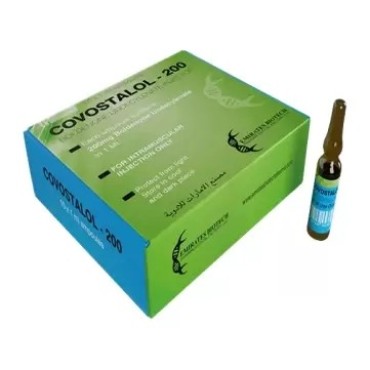
| Get COVASTALOL 200 EMIRATES BIOTECH Online |
87.00€ |
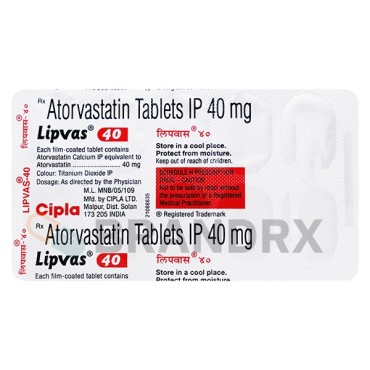
| Get Atorlip Cipla Online |
22.00€ |
| Get Lipitor 10 Pfizer Online |
19.00€ |
Häufig gestellte Fragen (FAQ) - Hypolipidemic drugs
Wir arbeiten nur mit vertrauenswürdigen Pharmaherstellern zusammen, zum Beispiel: Odin Pharmaceuticals, KRKA, EMIRATES BIOTECH.
Sie können Hypolipidemic drugs in Budget-Optionen für nur 10.00€ bis zu Premium-Optionen für 96.00€ kaufen.
Im Jahr 2026 sind die beliebtesten Produkte im Bereich Hypolipidemic drugs:
- Get Atorvastodin (Lipitor) Odin Pharmaceuticals Online
- Get Atoris KRKA Online
- Get COVASTALOL 200 EMIRATES BIOTECH Online
- Get Atorlip Cipla Online
- Get Lipitor 10 Pfizer Online