
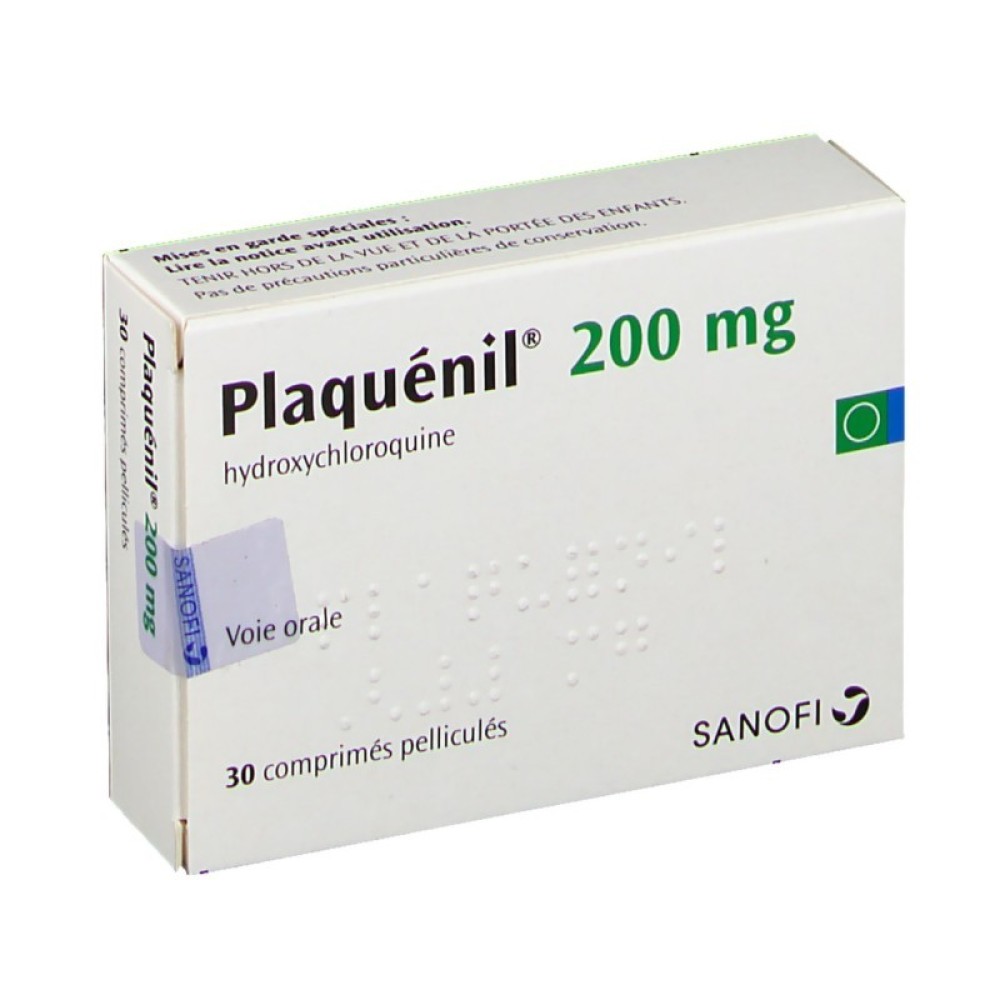
Define Plaquenil 200 Sanofi and Explain Its General Purpose
Plaquenil 200 Sanofi is a pharmaceutical product that contains hydroxychloroquine sulfate as its active ingredient. This medication is primarily used to prevent and treat malaria, as well as to manage autoimmune diseases such as rheumatoid arthritis and lupus. The ability of Plaquenil to modulate immune responses makes it particularly valuable in managing chronic inflammatory conditions, where the immune system can become maladaptive. The medication helps in reducing the frequency and severity of flare-ups related to these conditions and may also provide symptomatic relief from associated discomfort.
In the treatment of malaria, Plaquenil 200 Sanofi works by interfering with the parasites' ability to grow and multiply within the human body. Its action within the immune system is essential for alleviating symptoms and providing therapeutic relief in other conditions. As such, Plaquenil serves multiple purposes, aligning closely with both preventive and therapeutic strategies in medical practice.
Describe How Plaquenil 200 Sanofi Fits into Broader Treatment Strategies or Usage Approaches
Plaquenil 200 Sanofi is often integrated into larger treatment regimens that encompass various therapeutic modalities. In managing autoimmune diseases, it is frequently used alongside other immunosuppressants or corticosteroids to enhance overall effectiveness. The combination of therapies helps optimize patient outcomes by addressing multiple pathways involved in disease processes.
In the realm of malaria treatment, this medication is typically used as part of a broader strategy that may involve other antimalarial drugs, particularly in cases where there is evidence of drug resistance. The incorporation of Plaquenil into treatment plans reflects its role not only as a monotherapy but also as part of a comprehensive approach to managing infectious diseases.
Moreover, as research unfolds, Plaquenil has gained prominence in the treatment of additional conditions, leading practitioners to explore its utility within innovative treatment protocols constantly. This evolving landscape calls for practitioners to stay updated on the latest guidelines and research, ensuring that they leverage Plaquenil 200 Sanofi as effectively as possible.
Explain the Advantages Users Typically Expect From This Preparation
Patients and healthcare providers often highlight several advantages associated with the use of Plaquenil 200 Sanofi, particularly in the context of autoimmune diseases and malaria management. The following list outlines some key expected benefits:
- Effective symptom management: Plaquenil 200 Sanofi helps reduce inflammation and provides relief from pain and other symptoms associated with autoimmune conditions.
- Preventive action: In malaria prevention, it offers an effective prophylactic option, especially in regions where parasites are known to be resistant to other treatments.
- Favorable safety profile: Compared to other systemic therapies, Plaquenil is often associated with fewer severe side effects, making it a safer long-term option for many patients.
- Versatility: Its application spans over several conditions, providing doctors with a multi-purpose medication that can address various health issues within a single patient.
- Enhanced quality of life: Many users report significant improvements in their quality of life as a result of using Plaquenil, citing better disease management and reduced flare-ups or attacks.
These advantages resonate with both clinical efficacy and patient satisfaction, detailing how Plaquenil 200 Sanofi meets various therapeutic goals and improves the patient's overall experience.
Discuss Risks, Precautions, and Contraindications for Use of This Preparation
While Plaquenil 200 Sanofi provides numerous benefits, it is crucial for users to be aware of potential risks and precautions associated with its use. As with any medication, it is important to have an open dialogue with healthcare providers regarding individual health conditions and potential interactions.
Some of the most significant risks include the possibility of ocular toxicity, which can lead to irreversible damage to the retina if not monitored adequately. Healthcare providers typically recommend regular eye examinations for patients on long-term therapy with Plaquenil.
Additionally, contraindications should be well understood. Patients with known hypersensitivity to hydroxychloroquine or the excipients contained in the formulation should avoid using this medication. Certain pre-existing conditions, such as hepatic or renal impairment, may necessitate a tailored approach to dosing, underscoring the importance of individual risk assessment.
Finally, certain drug interactions can alter the effectiveness or safety of Plaquenil 200 Sanofi. Users should inform their healthcare team about other medications and supplements they are taking, ensuring comprehensive care and oversight. This collaborative approach minimizes risks and maximizes therapeutic benefits.
Conclude With Guidance on How Users Should Approach Understanding and Using Plaquenil 200 Sanofi Responsibly
To ensure the responsible use of Plaquenil 200 Sanofi, patients and providers alike must prioritize education and communication. Users should approach their treatment plan with a clear understanding of the medication’s intended purposes, benefits, and risks. Initiating a candid conversation with healthcare professionals can provide clarity on individualized treatment strategies and the importance of adhering to prescribed regimens.
Furthermore, patients should remain vigilant about reporting any unusual symptoms or side effects to their healthcare providers promptly. Regular monitoring, including laboratory tests and eye exams, is critical for early identification of any issues and facilitating timely intervention as necessary.
Ultimately, while Plaquenil 200 Sanofi holds significant promise in the management of various health conditions, the key to successful treatment lies in informed and responsible use. By staying engaged with healthcare teams and prioritizing personal health, users can maximize the benefits of this important therapeutic agent while minimizing risks.
| Features | |
| Active substance | Hydroxychloroquine |
| Also known as | Quinol, 1,4-benzenediol |
| Blood pressure | No significant effect |
| Chemical name | Hydroquinone |
| Dosage (medical) | Topically, 2-4% concentration, applied 1-2 times daily |
| Dosage (sports) | Not applicable |
| Effects | Reduces the production of melanin in the skin |
| Formula | C6H6O2 |
| Half-life | 1-2 hours |
| Hepatotoxicity | Low, but toxicity can occur with systemic absorption or excessive use |
| Lab Test | Not routinely required for medical use |
| Main action | Skin lightening |
| Side effects | Skin irritation, allergic reactions, possible increased risk of skin cancer with prolonged use |
| Storage conditions | Store at room temperature away from light and moisture |
| Substance class | Phenol derivative |
| Trade name | Eldoquin, Melanex |
| Use in sports | None |
| WAREHOUSE | International Warehouse 2 |
| Water Retention | None |
| Manufacturer | Sanofi |
-
24.00€
| Brand: | Sanofi |
|---|---|
| Product Code: | EU11179 |
| Availability: | Out of stock |